Dental Implants Explained: Procedure, Costs, and Recovery
If you are missing a tooth or facing an extraction, you have probably heard that dental implants are the closest thing to getting your natural tooth back. They look real, feel real, and let you eat the foods you enjoy. But what actually happens during treatment, and how do you know if implants are right for you?
This guide walks you through everything in plain English: what implants are made of, the three parts that make up the finished tooth, who qualifies, each step of the procedure, and what recovery honestly feels like. No jargon. No sales pitch. Just clear answers so you can talk to your dentist with confidence.
Quick answer: A dental implant is an artificial tooth root, usually made of titanium, that is placed in the jawbone to support a crown, bridge, or denture. Treatment takes 3-6 months across several visits: consultation, implant placement, a healing period, abutment placement, and finally the crown. Most people return to normal routines within a few days of each visit.
What Are Dental Implants, Exactly?
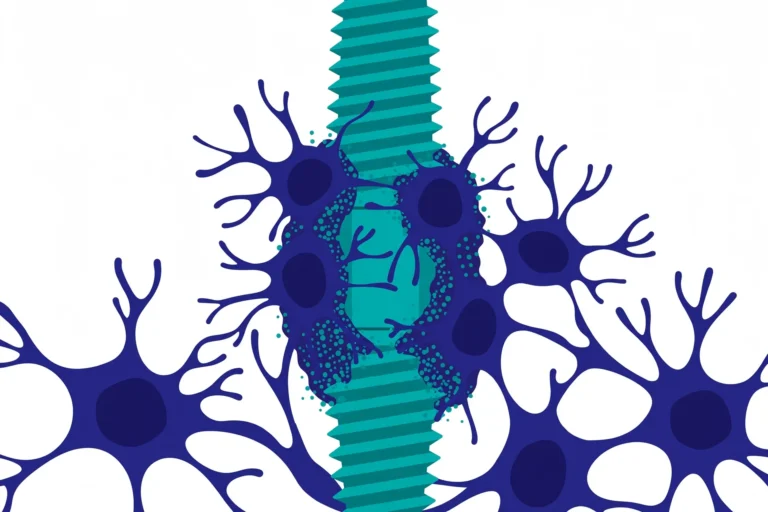
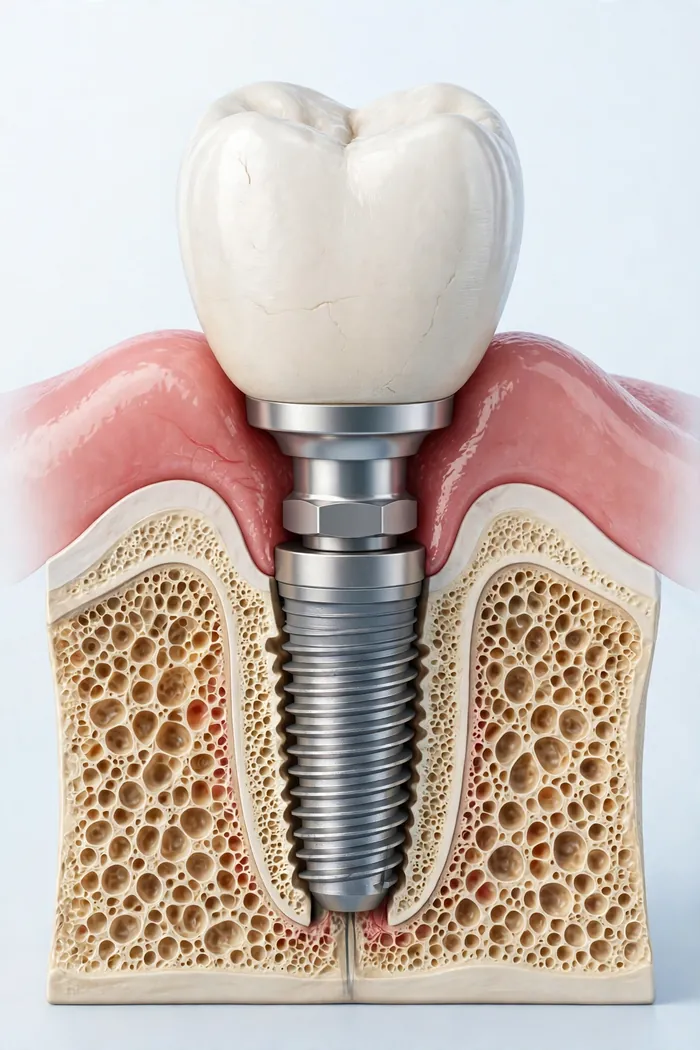
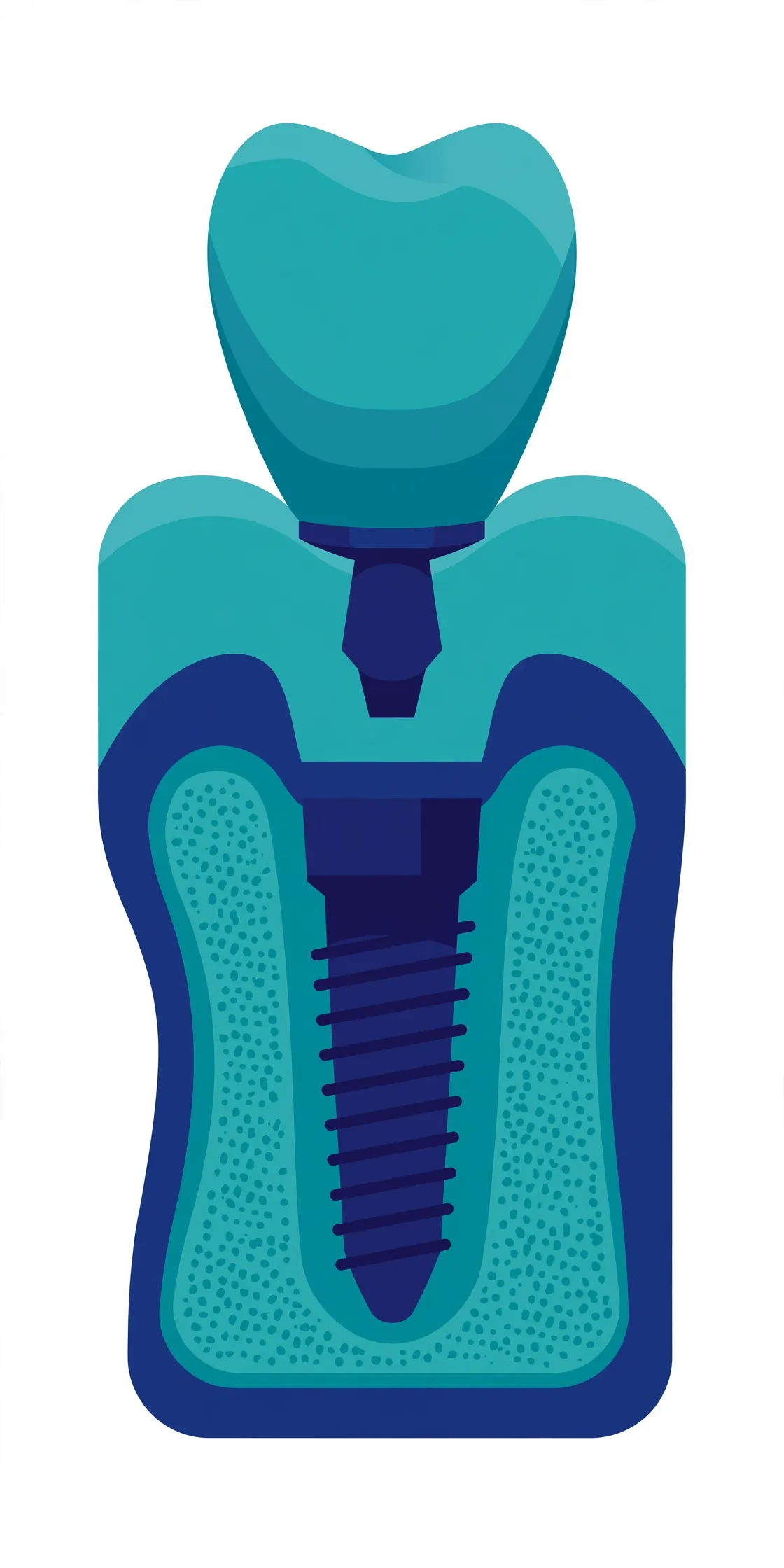
A dental implant replaces both the visible tooth and its root. The root portion is a small screw-shaped post, most often made of titanium, that a dentist or oral surgeon places directly into the jawbone. Over the next few months, the bone grows around the post and locks it firmly in place. This bonding process is called osseointegration, and it is what makes implants so stable.
Once the post is secure, two more parts complete the tooth:
| Part | What it is | What it does |
|---|---|---|
| Implant post | Small titanium screw placed in the jawbone | Acts as the artificial root and anchors everything |
| Abutment | Small connector piece attached to the post | Joins the post to the visible tooth |
| Crown | Custom-made ceramic tooth matched to your smile | The part you see, bite with, and show off |
Together, these three parts look and work much like a natural tooth. Implants can also anchor bridges or full dentures when several teeth are missing. If you are weighing the different kinds of teeth implants, that breakdown covers single, multiple, and full-arch options in more detail.
The American Dental Association notes that most patients find an implant secure, stable, and a good replacement for their own tooth. You can read their patient overview of the process at MouthHealthy, the ADA patient site.
How Implants Compare to Bridges and Dentures
Implants are not the only way to replace a missing tooth. Here is how the three main options stack up:
| Feature | Implant | Bridge | Removable denture |
|---|---|---|---|
| Typical lifespan | Decades, often 25+ years | 10-15 years | 5-10 years |
| Effect on neighboring teeth | None, stands alone | Adjacent teeth are filed down | None, but clasps can wear teeth |
| Bone loss in the jaw | Prevents it | Does not prevent it | Does not prevent it |
| Stability | Feels like a natural tooth | Fixed and solid | Can slip or shift |
| Daily care | Brush and floss normally | Needs special floss threaders | Removed and soaked nightly |
| Upfront cost | Highest | Moderate | Lowest |
Bridges and dentures cost less at the start, but implants usually win on comfort, longevity, and jawbone health over time. Your dentist can help you weigh the tradeoffs for your mouth and your budget.
Who Is a Good Candidate for Dental Implants?
Most healthy adults qualify. Age alone is rarely a barrier. The best candidates check these boxes:
- Healthy gums, free of active gum disease
- Enough jawbone to hold the post, or willingness to get a bone graft
- Good daily oral hygiene habits
- Non-smoker, or willing to pause smoking during healing
- Medical conditions under control
A few situations call for extra discussion with your dentist or surgeon:
- Uncontrolled diabetes, which can slow healing
- Heavy smoking, which raises the risk of implant failure
- Certain osteoporosis medications (bisphosphonates)
- Recent radiation therapy to the jaw area
- Active gum disease, which should be treated first
Thin or soft jawbone is common and usually fixable with a bone graft, a routine add-on that builds up the area before the implant goes in. It adds a few months to the timeline but makes treatment possible for many people who were once told no.
The Dental Implant Procedure, Step by Step
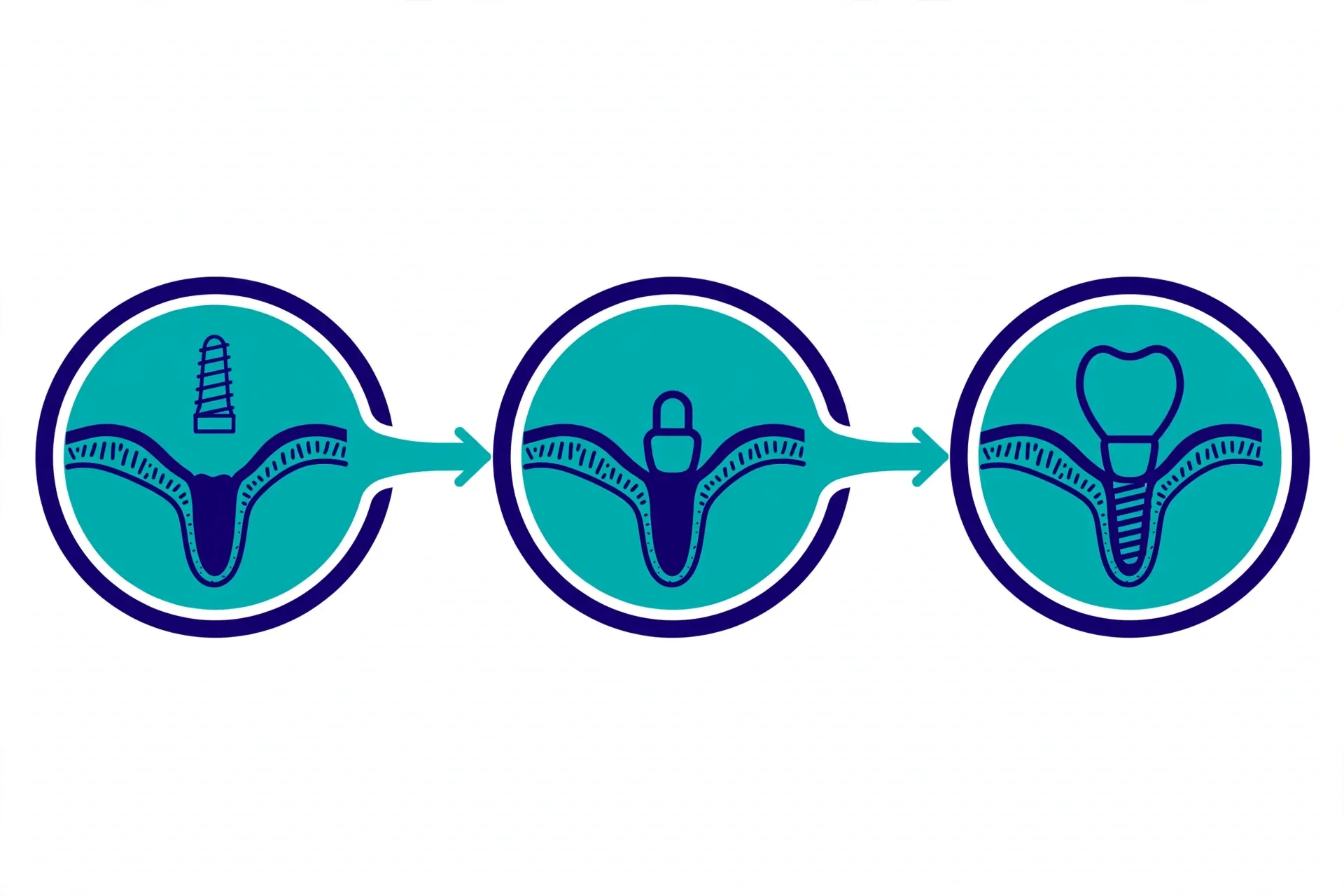
Implant treatment happens in stages, not all at once. Here is the full sequence and what each visit involves.
Step 1: Consultation and 3D planning
Your dentist examines your mouth, takes X-rays or a 3D CBCT scan, and reviews your medical history. The scan shows exactly how much bone you have and where nerves and sinuses sit, so the implant can be positioned safely. You will discuss the plan, the timeline, and the cost before anything begins.
Step 2: Tooth extraction, if needed
If the damaged tooth is still in place, it is removed first. In many cases the implant can go in during the same visit (immediate placement). Otherwise, the socket heals for a few weeks to a few months first.
Step 3: Implant placement surgery
This is the main surgical visit and it is shorter than most people expect, often 30-60 minutes for a single implant. After numbing the area (sedation is available if you want it), the surgeon makes a small opening in the gum, prepares the bone, and threads the titanium post into place. Stitches close the gum, and you go home the same day.
Step 4: Healing and osseointegration
Over the next 3-6 months, your jawbone grows around the post and fuses with it. You will not feel this happening. Most people wear a temporary tooth during this phase so there is no visible gap. This waiting period is the longest part of treatment, and it is also what gives implants their strength.
Step 5: Abutment placement
Once the post is fully integrated, the dentist reopens the gum with a tiny incision and attaches the abutment, the small connector piece. Sometimes a healing cap goes on first for a week or two while the gum shapes itself around the abutment.
Step 6: Crown placement
Impressions or digital scans of the abutment go to a lab, which crafts your custom crown to match the color, shape, and size of your surrounding teeth. At the final visit, the crown is attached to the abutment, checked for bite and fit, and you walk out with a finished tooth.
What Recovery Actually Feels Like
Most patients are surprised by how manageable recovery is. Here is a realistic timeline after the implant placement visit:
- Day 1-3: Mild to moderate soreness, some swelling, and possible light bruising. Over-the-counter pain relievers usually handle it. Stick to soft foods like yogurt, eggs, and soup.
- Week 1-2: Swelling fades, stitches dissolve or are removed. Most people are back at work within 1-3 days. You can eat more normally but should still avoid hard or crunchy foods near the site.
- Weeks 3-8: The area feels normal. You may forget the implant is even there. The bone continues fusing quietly in the background.
- Months 3-6: Osseointegration completes. Your dentist confirms the post is solid, and treatment moves on to the abutment and crown.
Call your dentist promptly if you notice severe pain that worsens after day three, heavy bleeding, fever, or a bad taste that does not go away. These can signal infection, which is uncommon but needs quick treatment.
How Long Do Dental Implants Last?
The implant post itself can last decades, and many last a lifetime with good care. The crown on top typically lasts 10-15 years before normal wear calls for a replacement, which is a simple swap that does not disturb the post. Daily brushing, flossing, and regular dental checkups are what protect your investment. Implants cannot get cavities, but the gums around them can still develop infection (peri-implantitis) if neglected.
What Do Dental Implants Cost?
A single implant typically runs $3,000-$6,000 all in (post, abutment, and crown) in the US, with full-mouth options reaching much higher. Prices vary by region, materials, and whether you need extras like bone grafts. For the full price breakdown by treatment type, see our guide to dental implant cost, compare typical implant prices across options, and check whether dental insurance for implants can lower your bill.
How to Choose the Right Implant Dentist
The skill of the provider matters as much as the implant itself. Look for a dentist or surgeon who places implants regularly, uses 3D imaging for planning, shows you before-and-after cases, and answers your questions without rushing you. Ask how many implants they place each year and what their plan is if something goes wrong. A good consultation feels thorough, never pressured. If you are starting your search, our guide to finding an implant dentist near you walks through the questions worth asking.
Frequently Asked Questions
Does getting a dental implant hurt?
The surgery itself is done under local anesthesia, so you should feel pressure but not pain. Afterward, most people describe it as similar to a tooth extraction: sore for a few days, well managed with over-the-counter medication. Sedation options exist if you are anxious.
How long does the whole dental implant process take?
Typically 3-6 months from placement to final crown, with most of that time being quiet healing while the bone fuses to the post. Cases needing extraction or bone grafting can run 6-9 months. Same-day implant options exist but are not right for everyone.
Can I get an implant years after losing a tooth?
Usually yes, but the jawbone shrinks over time where a tooth is missing. After several years you may need a bone graft first to rebuild enough support. A 3D scan at your consultation will show exactly where things stand.
What are the risks of dental implants?
Implants have a high success rate, generally above 95 percent for healthy patients. The main risks are infection, failure to integrate with the bone, and nerve or sinus issues, which careful 3D planning keeps rare. Smoking and uncontrolled diabetes raise the risk of complications.
Are dental implants worth it compared to dentures?
For most people who qualify, yes. Implants feel like natural teeth, prevent jawbone loss, and can last decades, while dentures need regular adjustment and replacement. The upfront cost is higher, but the long-term value and quality of life are hard to beat.
The Bottom Line
Dental implants replace both the tooth and its root, which is why they look natural, feel solid, and protect your jawbone in ways bridges and dentures cannot. The process takes months, not days, but each individual visit is straightforward and recovery is milder than most people fear.
If you are considering implants, the next step is a consultation with 3D imaging. Bring your questions, ask about the full plan and timeline, and make sure you feel comfortable with the provider. An informed patient almost always gets a better result.
This article is for informational purposes only and is not medical advice. Talk to a qualified dentist or oral surgeon about your specific situation before making treatment decisions.
About Rankex Solutions
Rankex Solutions works on local SEO and Google Business Profile optimization for businesses in the UAE and the US. Its background is in rank-and-rent SEO and freelance search marketing.