Teeth Implants 101: Types, Timeline, and What to Expect
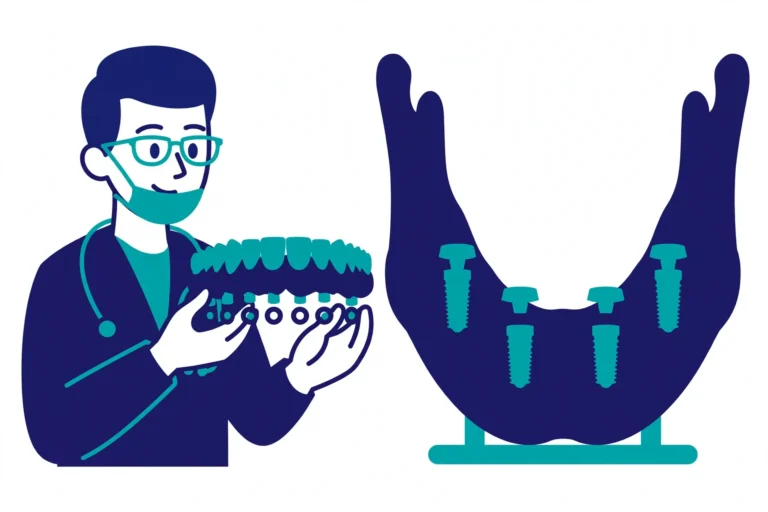
If you are missing one or more teeth, teeth implants are the closest thing to getting your natural teeth back. A small titanium post takes the place of the tooth root, and a custom-made crown sits on top. The result looks, feels, and works like a real tooth.
This guide keeps it simple. You will learn the four main types of implants, who makes a good candidate, and the full timeline from your first visit to the day your new tooth is finished. No jargon. No sales talk.
Quick answer: Teeth implants are titanium posts placed in the jawbone that hold replacement teeth. The four main types are endosteal, subperiosteal, zygomatic, and mini implants. Most single-tooth cases take 3-6 months from first visit to final crown. Good candidates have healthy gums and enough bone to anchor the implant securely.
What Are Teeth Implants, Exactly?
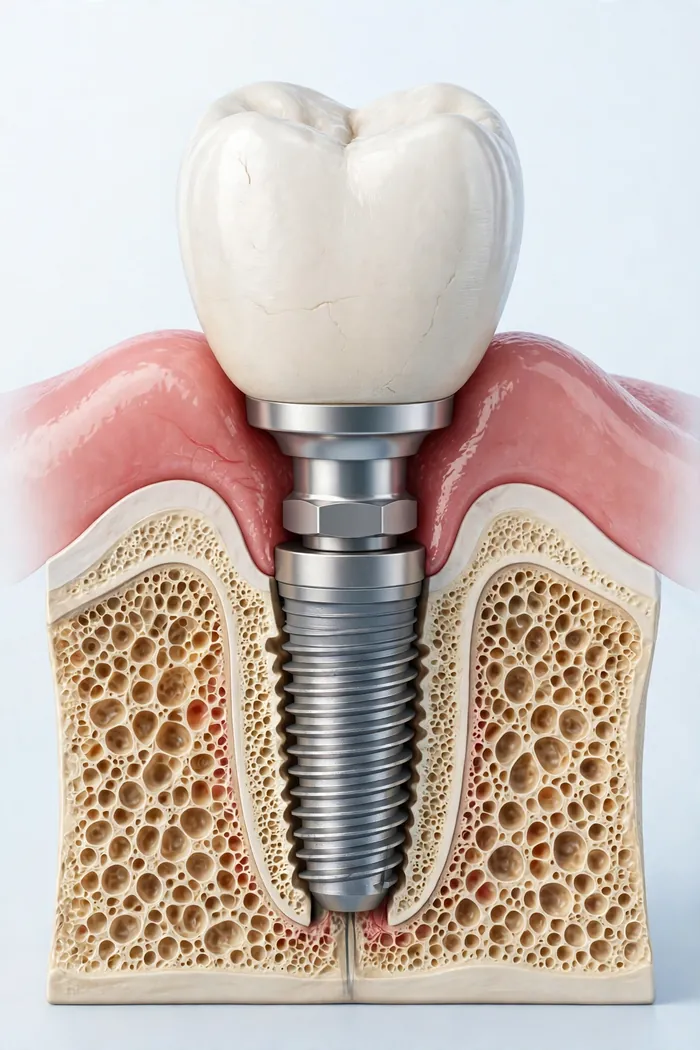
A dental implant has three parts. The implant itself is a small screw-shaped post, usually titanium, that sits in the jawbone where the root used to be. The abutment is a connector piece that attaches to the post. The crown is the visible tooth, shaped and shaded to match your smile.
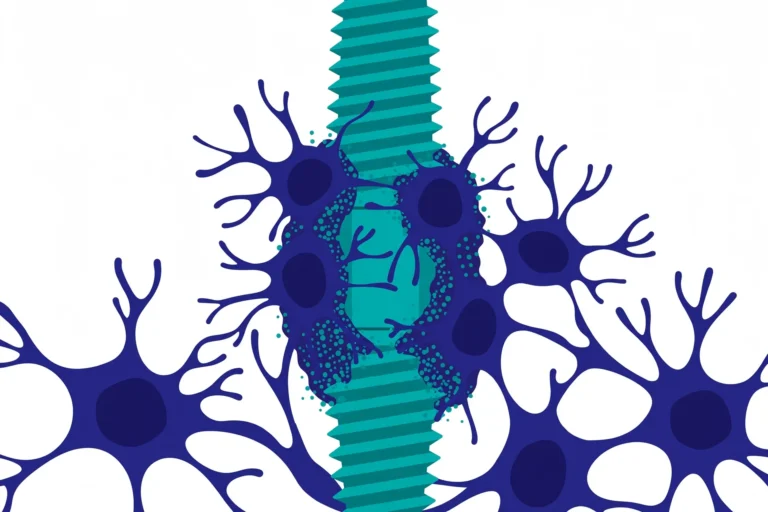
Over a few months, your bone grows around the post and locks it in place. Dentists call this osseointegration. Once it happens, the implant can handle normal biting and chewing for decades.
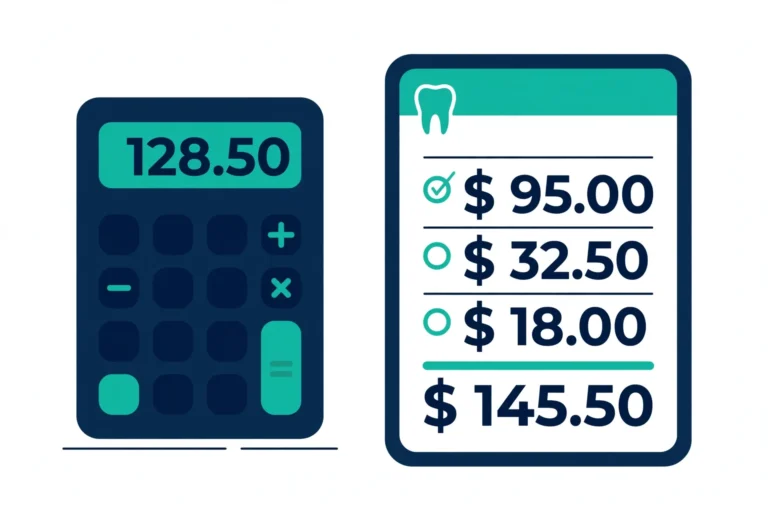
Because the process has several steps, the dental implant cost varies with the type you choose and whether you need extra work like a bone graft first. We will cover timing and appointments in detail below.
The 4 Main Types of Teeth Implants
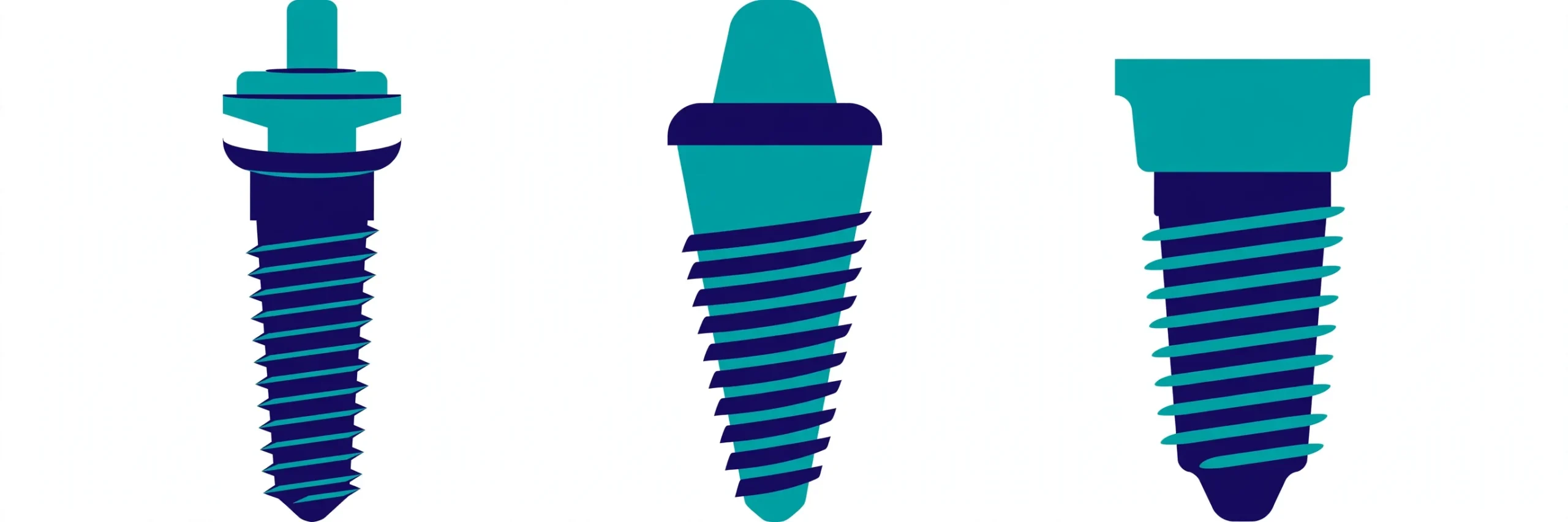
Not every implant goes in the same way. Your dentist picks the type based on your bone, your health, and how many teeth need replacing.
1. Endosteal Implants (Most Common)
Endosteal implants go directly into the jawbone. They look like small screws or cylinders and are made of titanium. This is the type most people mean when they say “dental implant.”
Endosteal implants can replace one tooth, several teeth with a bridge, or a full arch. The well-known All-on-4 method is a version of this: four endosteal implants support a full set of upper or lower teeth. They need solid, healthy bone to grip. When bone is thin, a graft can build it up first.
2. Subperiosteal Implants
Subperiosteal implants sit on top of the jawbone but under the gum. Instead of a screw, they use a metal frame with posts that poke through the gum to hold the teeth.
Dentists rarely use these today. They were designed for people whose jawbone had shrunk too much for endosteal implants. Modern bone grafting and zygomatic implants have mostly replaced them. You may still see the term in older articles, so it helps to know what it means.
3. Zygomatic Implants
Zygomatic implants are longer than standard ones. They anchor into the cheekbone (the zygoma) instead of the jawbone. This makes them an option for upper-jaw patients with severe bone loss who want to skip grafting.
The surgery is more involved and needs a specialist with specific training. Recovery takes a bit longer. But for the right patient, zygomatic implants can shorten the overall treatment because no graft healing is needed.
4. Mini Implants
Mini implants are narrower than standard implants, roughly the width of a toothpick. They are often used to steady a lower denture or replace small teeth in tight spaces.
Placement is quicker and the healing time is shorter. The trade-off is strength. Mini implants do not handle heavy chewing forces as well as full-size ones, so dentists choose them for specific jobs, not as a default.
Implant Types Compared
| Type | How It Works | Best For | Bone Needed |
|---|---|---|---|
| Endosteal | Screw placed into the jawbone | Most single teeth, bridges, full arches | Good density, or graft first |
| Subperiosteal | Frame rests on the bone under the gum | Rarely used today | Minimal |
| Zygomatic | Long implant anchored in the cheekbone | Upper jaw with severe bone loss | Uses cheekbone instead |
| Mini | Narrow post, simpler placement | Stabilizing dentures, small teeth | Less than standard |
Who Is a Good Candidate for Teeth Implants?
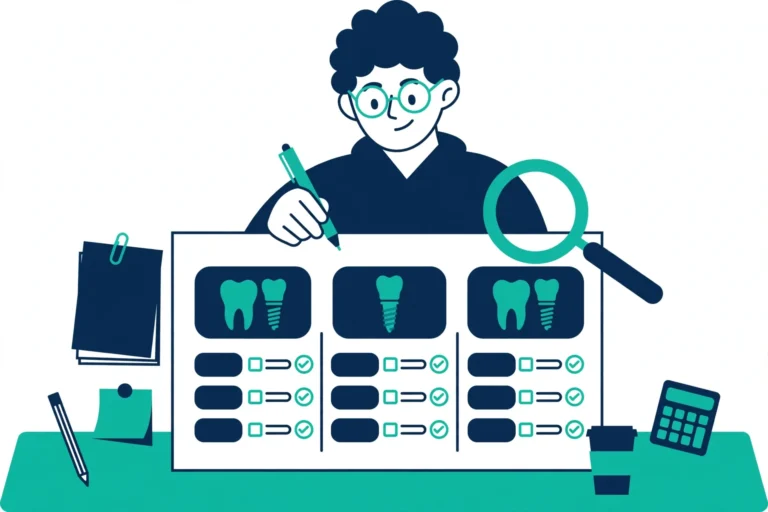
Most healthy adults can get implants. The checklist your dentist runs through looks like this:
- Missing teeth. One tooth, several, or a full arch. Implants cover all three.
- Healthy gums. Active gum disease must be treated first, because infection around an implant can cause it to fail.
- Enough bone. The jaw needs enough height and width to grip the post. If bone has shrunk, grafting can rebuild it.
- Good general health. Conditions like uncontrolled diabetes or heavy smoking slow healing and raise the failure risk. Controlled conditions are usually fine.
- Commitment to hygiene. Implants cannot get cavities, but the gums around them still need brushing, flossing, and checkups.
Age alone rarely rules anyone out. Dentists place implants for patients in their 70s and 80s all the time, as long as health and bone check out. If cost is the worry, look into dental insurance coverage for implants before ruling them out.
The Full Timeline: From First Visit to Final Crown
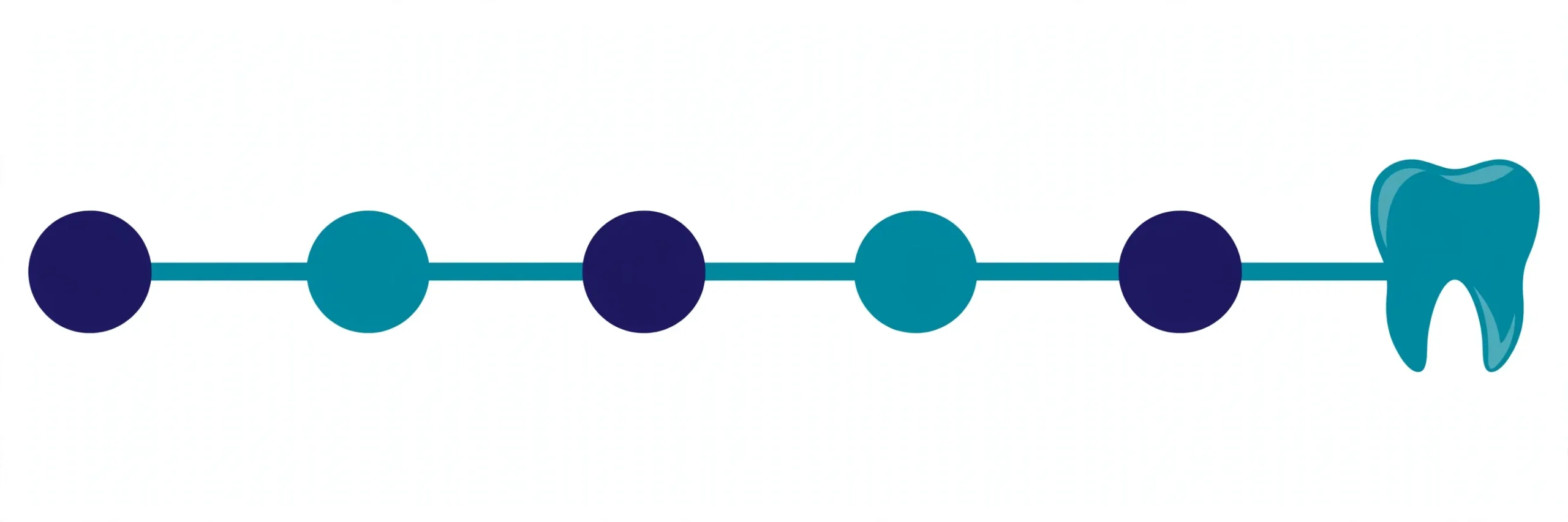
A single implant usually takes 3-6 months from start to finish. Grafts or full-arch work can stretch that to 9-12 months. Here is what happens at each stage.
Step 1: Consultation and Exam (30-60 Minutes)
Your dentist examines your mouth, takes X-rays, and talks through your goals. Expect honest talk about whether implants suit you or whether a bridge or denture fits better. Bring your medical history and a list of medications.
Step 2: 3D Imaging and Treatment Plan (Same Day or Second Visit)
Most offices take a 3D CBCT scan. It shows bone thickness, nerve positions, and sinus locations in detail. Your dentist uses it to plan the exact angle and depth of each implant. You leave with a written plan, a timeline, and a cost estimate. This is the right moment to ask about typical implant prices for your specific case.
Step 3: Preparatory Work, If Needed (Timing Varies)
Some patients need a tooth pulled first. Others need a bone graft to thicken the jaw. A simple extraction heals in a few weeks. A graft needs 2-4 months before the implant goes in. Not everyone needs this step. If your bone is already solid, you skip straight to surgery.
Step 4: Implant Placement Surgery (1-2 Hours)
This is the main appointment. After numbing (or sedation if you prefer), the dentist makes a small opening in the gum, places the post into the bone, and closes the gum with stitches. Most people go home the same day and return to desk work within 1-2 days. If the gap shows when you smile, you usually get a temporary tooth the same day.
Step 5: Healing and Fusing (3-6 Months)
This is the quiet phase. Bone cells grow around the titanium post and lock it in. You will have 1-2 short checkups during this time. There is no pain to manage after the first week. You just wait while your body does the work.
Step 6: Abutment Placement (One Short Visit)
Once the implant is solid, the dentist reopens the gum slightly and attaches the abutment, the small connector. Sometimes this happens during the crown visits instead of as its own step. Either way, it is quick.
Step 7: Final Crown (2 Visits)
First visit: digital impressions or molds of the abutment area. The lab builds your crown to match your other teeth. Second visit, about 2-3 weeks later: the crown is fitted, checked for bite, and secured. You walk out with a finished tooth.
Timeline at a Glance
| Stage | What Happens | Typical Timing |
|---|---|---|
| Consultation | Exam, X-rays, plan, estimate | Week 1 |
| 3D imaging | CBCT scan, precise surgical plan | Week 1-2 |
| Extraction or graft (if needed) | Remove tooth or rebuild bone | Adds 1-4 months |
| Implant surgery | Post placed, temporary tooth if needed | 1-2 hour visit |
| Healing | Bone fuses to the implant | 3-6 months |
| Abutment | Connector attached | One short visit |
| Final crown | Impressions, then crown fitting | 2 visits over 2-3 weeks |
What Does Each Appointment Feel Like?
The surgery sounds worse than it is. With local anesthesia, most patients report pressure but no sharp pain. If dental work makes you anxious, ask about sedation options when you are choosing an implant dentist. Many offices offer it as standard.
After placement, expect soreness, mild swelling, and possibly bruising for 3-7 days. Over-the-counter pain relief handles it for most people. Stick to soft foods for the first week. Your dentist will give you a short aftercare sheet. Follow it exactly and call the office if swelling worsens after day three.
How Long Do Teeth Implants Last?
The titanium post itself can last decades, often a lifetime, with good care. The crown on top usually lasts 10-15 years before normal wear calls for a replacement. That is still two to three times the lifespan of a typical bridge.
Care is simple:
- Brush twice a day with a soft brush.
- Floss or use interdental brushes daily around the implant.
- Keep your six-month checkups and cleanings.
- Do not chew ice or hard candy on the implant crown.
- If you grind your teeth at night, wear the guard your dentist recommends.
Implants vs Dentures vs Bridges
Implants are not the only way to replace teeth. Here is how the three main options compare.
| Factor | Implants | Dentures | Bridges |
|---|---|---|---|
| Feel | Like a natural tooth | Can slip; less bite force | Fixed, but anchored to neighbors |
| Bone health | Preserves jawbone | Bone shrinks over time | Does not stop bone loss |
| Upfront cost | Highest | Lowest | Mid-range |
| Daily hassle | Brush and floss normally | Remove nightly, soak, clean | Special floss threaders needed |
Frequently Asked Questions
Are teeth implants painful?
The surgery itself is done under anesthesia, so you feel pressure, not pain. Afterward, most people manage with over-the-counter pain relief for a few days. Patients often say a tooth extraction hurt more.
How long does the whole process take?
A straightforward single implant takes 3-6 months from first visit to final crown. If you need a bone graft first, add 2-4 months. Full-arch cases can take 9-12 months. Most of that time is healing, not appointments.
Can I get an implant if I have bone loss?
Often yes. A bone graft can rebuild the jaw, or your dentist may suggest zygomatic implants for the upper jaw. The 3D scan at your consultation shows exactly how much bone you have and which path fits.
How much do teeth implants cost?
A single implant with crown typically runs $3,000-$6,000 in the US. The type of implant, your location, and any extra work like grafts move the number. Our pricing guide breaks down single teeth, bridges, and full mouth cases in detail.
How do I find the right implant dentist?
Look for training in implant surgery, a 3D CBCT scanner in the office, and before-and-after cases they can show you. Read reviews that mention implants specifically. Our guide to choosing an implant dentist walks through the exact questions to ask.
Do implants look like real teeth?
Yes. The crown is custom-made to match the shape and shade of your natural teeth. Once placed, most people cannot tell which tooth is the implant, and neither will anyone else.
The Bottom Line
Teeth implants come in four main types, and endosteal implants suit the large majority of patients. The process takes months, not days, because your bone needs time to fuse with the post. That patience pays off with a tooth that feels like your own and can last decades.
If you are considering implants, start with a consultation and a 3D scan. You will leave knowing your options, your timeline, and your cost. For a deeper look at pricing, read our 2026 guide to dental implant cost.
This article is for informational purposes only and is not medical advice. Talk to a qualified dentist about your specific situation before making treatment decisions. For general background, the American Dental Association’s MouthHealthy implant guide is a reliable starting point.
About Rankex Solutions
Rankex Solutions works on local SEO and Google Business Profile optimization for businesses in the UAE and the US. Its background is in rank-and-rent SEO and freelance search marketing.