Implant Dentures Cost: What Snap-In Dentures Really Cost
If you already wear dentures, you know the daily frustrations. They slip when you talk. They rock when you chew. Adhesive pastes help for a while, then they don’t. Implant dentures cost more than regular dentures, but they solve the biggest complaint denture wearers have: movement. Two to four implants anchor the denture in place, and it snaps on and off for cleaning.
This guide covers implant dentures cost in 2026: snap-in (overdenture) prices per arch, mini-implant dentures, how they differ from fixed full-arch teeth, what attachment systems cost to maintain, and who makes a good candidate. If you want pricing for single implants, bridges, or fixed All-on-4 full arches instead, our full-arch implant prices guide covers those separately.
Quick answer: Snap-in implant dentures typically cost $6,000-$18,000 per arch in the US, depending on the number of implants and the type of denture. Two-implant lower dentures start around $6,000-$10,000. Four-implant cases usually run $10,000-$18,000. Plan on $150-$400 every 1-3 years for attachment replacement, plus relines and checkups.
What Are Implant Dentures?
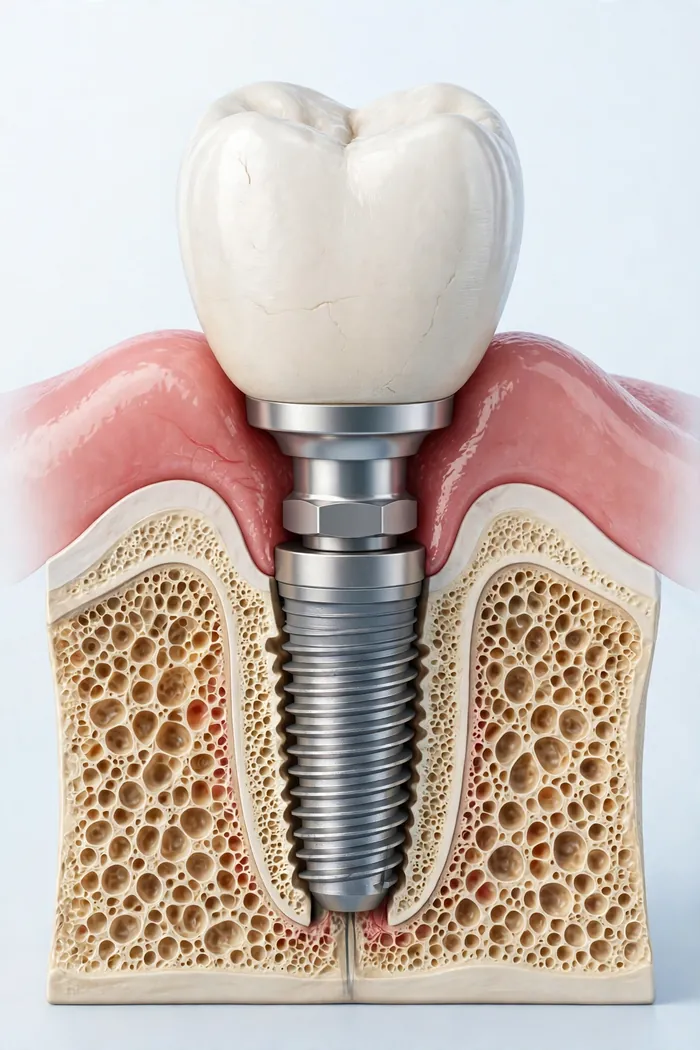
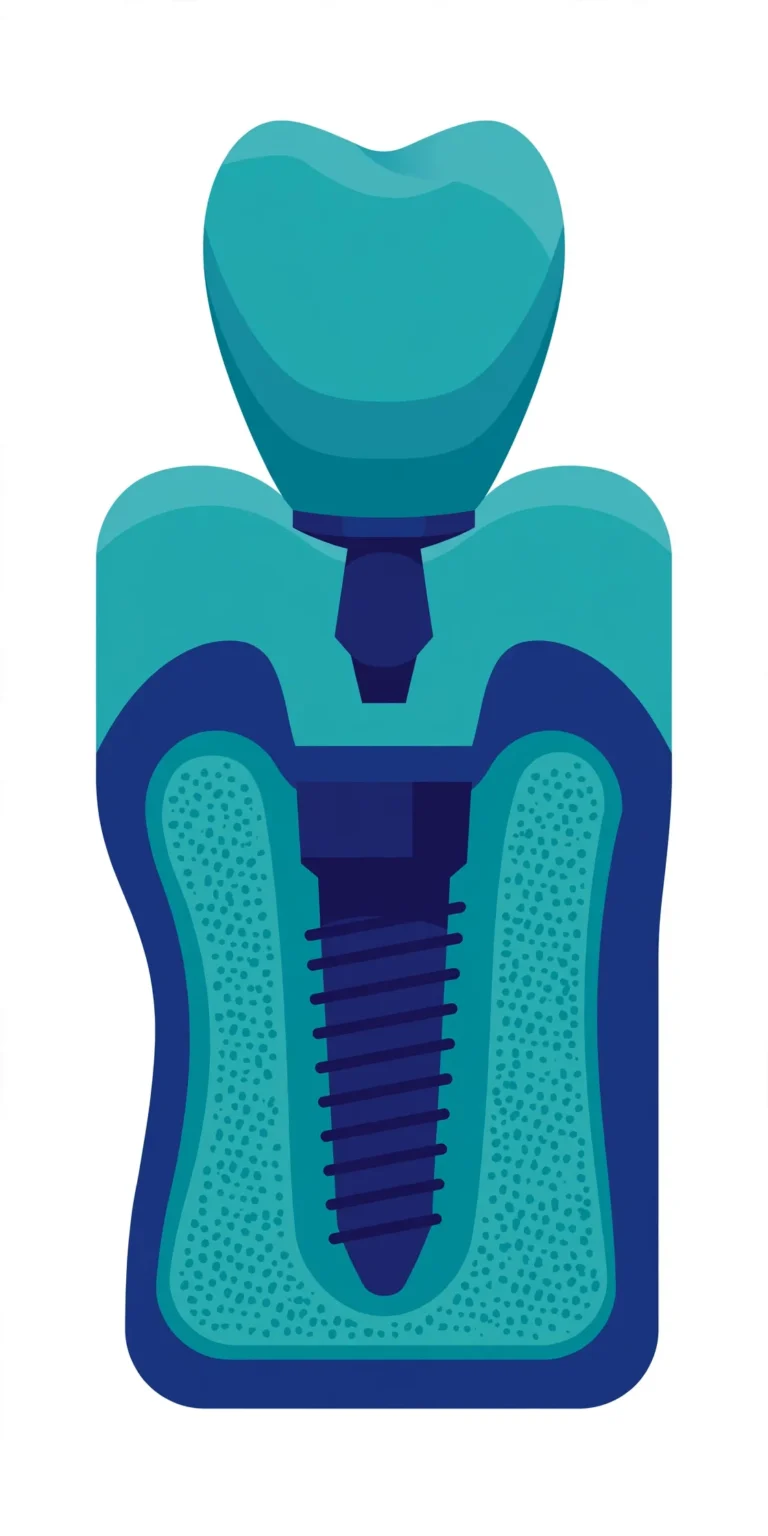
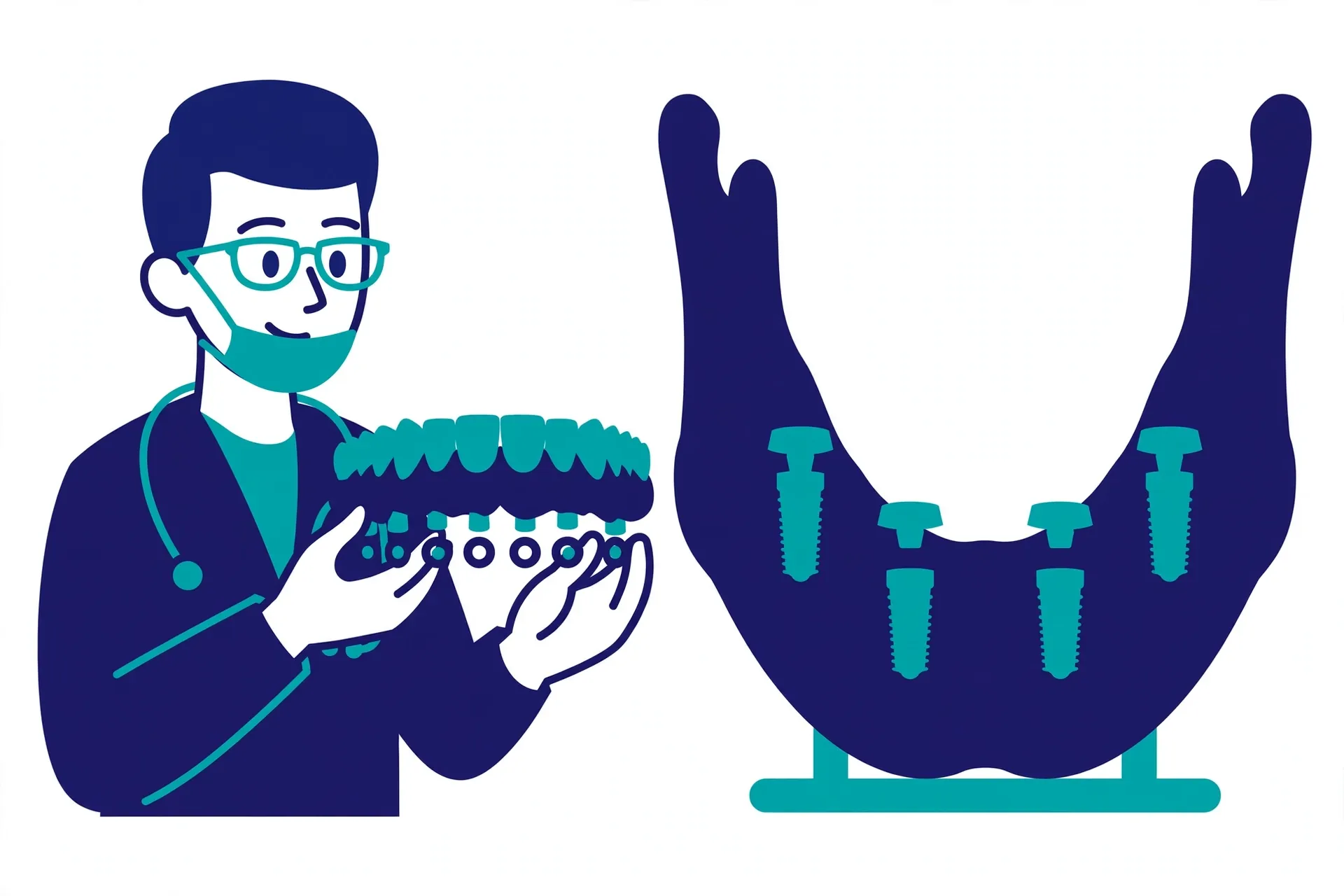
Implant dentures, also called implant-supported overdentures, are full dentures that clip onto dental implants instead of sitting loose on your gums. The implants act as anchors. The denture has fittings inside it that snap onto matching attachments on the implants. You push the denture down to seat it, and you can pull it off at night to clean it.
The word “dentures” here is important. This is a denture: a full set of artificial teeth on an acrylic base that covers part of your gums. The implants don’t replace every tooth. They just hold the denture steady. That makes treatment cheaper and less invasive than placing an implant under every tooth, and it still ends the slipping, clicking, and adhesive routine that makes regular dentures so annoying.
The lower jaw is where implant dentures make the biggest difference. Lower dentures have less surface to grip, so they float and shift constantly. Dentists often recommend starting with two implants on the lower arch because the improvement in stability is dramatic for a relatively modest cost. Upper implant dentures are common too, especially with four implants, since the upper bone is softer and needs more support.
Snap-In vs Fixed Hybrid vs Mini-Implant Dentures
Three options fall under the “implant denture” umbrella, and they differ in cost, feel, and maintenance. Here is the honest comparison.
| Option | Implants used | Typical cost per arch | Removable? |
|---|---|---|---|
| Snap-in overdenture (standard) | 2-4 | $6,000-$18,000 | Yes, snaps on and off |
| Mini-implant denture | 4-6 minis | $4,000-$8,000 | Yes, snaps on and off |
| Fixed hybrid (screwed-in) | 4-6 | $20,000-$35,000 | No, dentist removes only |
Snap-in overdenture (standard implants)
This is the classic option and the main focus of this guide. A dentist places two to four standard-diameter implants, waits for them to heal, then fits a denture with attachment housings that snap onto the implants. You take the denture out each night. Cleaning is simple because you can reach every surface.
Snap-ins cost less than fixed teeth and need less bone, which means fewer grafts. The trade-off is that the denture still covers your palate (on the upper) or rests partly on your gums, and the attachments wear out and need replacing. Most patients find this a fair exchange for the price.
Mini-implant denture
Mini implants are thinner than standard implants (about half the diameter) and are placed through the gum with little or no cutting. The surgery is faster, healing is quicker, and the bill is lower: $4,000-$8,000 per arch in many markets. This makes them popular with patients on tight budgets or those who cannot have full surgery.
The catch is durability. Mini implants carry less load than standard implants, so they can loosen or break more often over time. They are best suited to the lower jaw in patients with less bone who want a budget-friendly step up from regular dentures. If you can afford standard implants, most dentists recommend them as the stronger long-term choice.
Fixed hybrid denture (screwed-in teeth)
A fixed hybrid is a full arch of teeth screwed onto 4-6 implants. It stays in your mouth day and night. Only the dentist removes it. It feels closest to natural teeth and never comes out at dinner. But it costs roughly double a snap-in denture, typically $20,000-$35,000 per arch, and cleaning under the bridge takes real effort with special brushes and a water flosser.
Think of it this way: snap-in dentures buy you stability and easy cleaning at a moderate price. Fixed hybrids buy you permanence at a premium price. We cover fixed full-arch options in detail in our guide to full-arch implant prices, so this guide stays focused on the removable snap-in options where most denture wearers land.
Implant Dentures Cost Breakdown for 2026
Prices vary by city, dentist, and your bone condition, but these ranges reflect typical 2026 US quotes for completed treatment (surgery, implants, abutments, and the denture itself).
| Treatment | Typical range per arch | Both arches |
|---|---|---|
| Snap-in denture, 2 standard implants (lower) | $6,000-$10,000 | $12,000-$20,000 |
| Snap-in denture, 4 standard implants | $10,000-$18,000 | $20,000-$36,000 |
| Mini-implant denture, 4-6 minis | $4,000-$8,000 | $8,000-$16,000 |
| Replacement overdenture only (implants already in place) | $2,000-$5,000 | $4,000-$10,000 |
What moves you toward the high end of these ranges? Bone grafting is the most common add-on, typically $400-$1,200 per site, needed when the jawbone has thinned after years of wearing dentures. Tooth extractions add $150-$400 per tooth. Premium denture materials (like reinforced acrylic or porcelain teeth) add a few hundred dollars. And big-city practices in places like New York or Los Angeles can run 30-50% above these national averages.
What brings the number down? Dental schools often charge 30-40% less with supervised students or residents doing the work. Some high-volume implant centers run bundled specials that include everything in one quoted price. And if your quote is for the lower jaw only, which is the most common single-arch treatment, you will naturally pay less than a two-arch case.
Always ask whether a quote is all-in. A “$5,999 implant denture” ad may cover only the implants, with the denture billed separately. Get an itemized plan listing the surgery, the implants, the abutments, the attachments, and the denture itself before you sign anything.
How Many Implants Do You Need?
For a lower snap-in denture, two implants are the accepted minimum. They hold the front of the denture firmly, which stops most of the rocking. Two implants keep surgery short and the cost at the low end of the range. For most lower-denture wearers, this is the sweet spot between price and performance.
Four implants per arch give noticeably better stability, especially on the upper jaw. They spread the chewing load across more anchors, which helps the implants last longer and lets the denture cover less of the palate. Upper snap-in dentures almost always use four implants because upper bone is softer and needs the extra support.
More implants cost more: each additional standard implant adds roughly $1,500-$3,000 to the total, including its abutment. But the denture part of the bill barely changes, so going from two to four implants does not double the price. It adds perhaps 40-60% to the total. Your dentist will recommend a number based on your bone density, which shows up clearly on a 3D scan.
To understand how the implants themselves bond with the bone, which is what makes all of this possible, see our explainer on how implants fuse with the jaw. That healing phase, usually 3-6 months, is built into the treatment plan before the final denture is fitted.
Attachment Systems and Replacement Costs
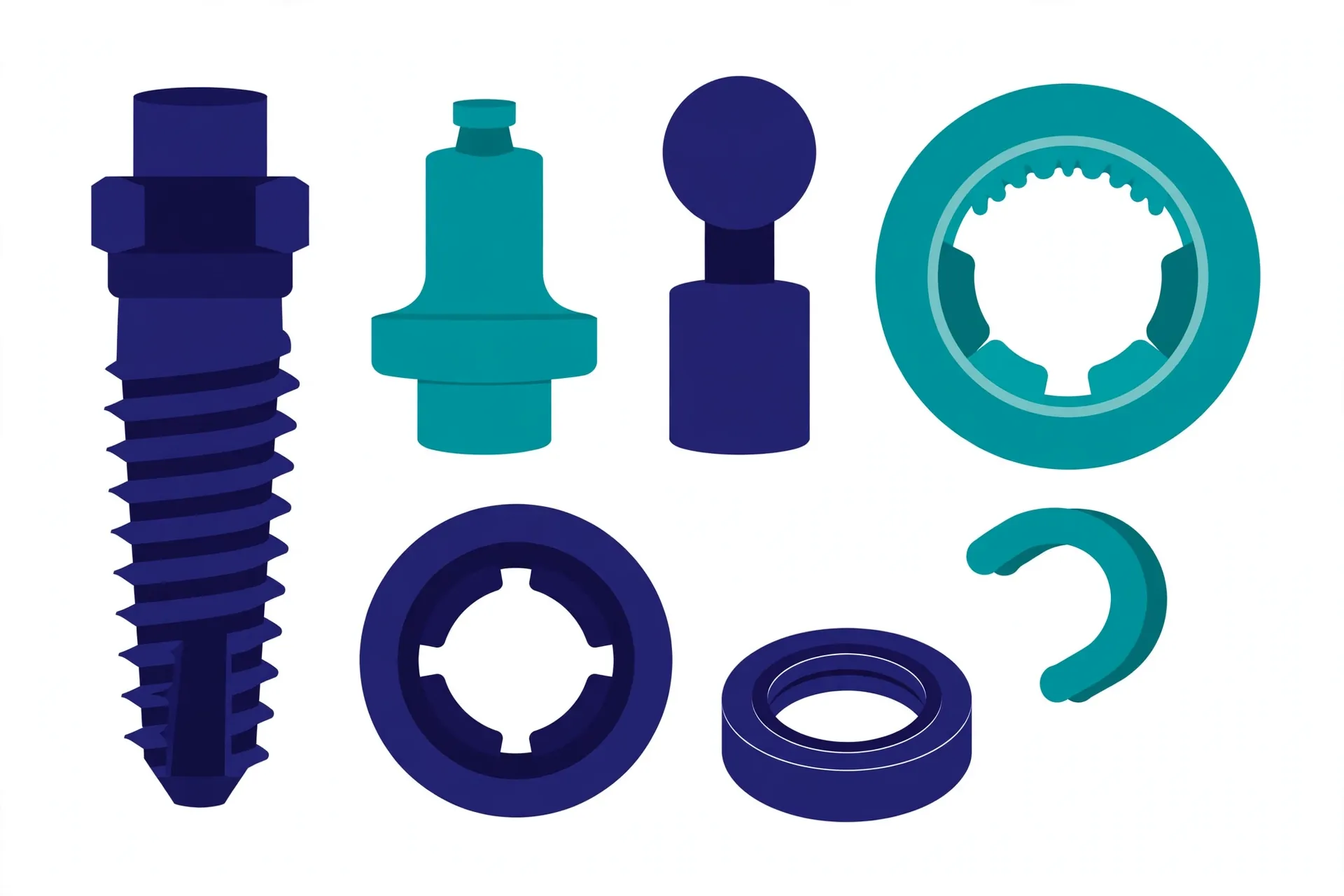
The snap in “snap-in” comes from the attachment system. The most common type is the locator attachment: a small metal stud on each implant and a nylon insert inside the denture that clicks over it. Locators let the denture pivot slightly while chewing, which is comfortable and puts less stress on the implants.
Locator inserts are the one part of the system that wears out on schedule. The nylon rings loosen over 1-3 years of daily snapping on and off. When they get loose, the denture starts to feel wobbly again. Replacing them is a quick chairside visit, typically $150-$400 depending on how many inserts need swapping.
Other systems work differently:
- Ball attachments: a round ball on the implant fits into a socket in the denture. Simple and cheap to maintain, but they can wear faster than locators and offer less angulation forgiveness.
- Bar attachments: a metal bar connects two or more implants, and the denture clips onto the bar. Very stable and easy to clean around, but the bar itself costs more upfront and needs periodic clip replacement.
- Magnetic attachments: small magnets hold the denture in place. Gentle on implants and easy for patients with weak hands, but the hold is weaker than mechanical snaps.
Budget for attachment maintenance as an ongoing cost, not a surprise. If your locators need replacing every two years at $200-$300 per visit, that is a small but real line item in the lifetime cost of the treatment. Ask your dentist which system they plan to use and what a replacement visit costs before treatment starts.
Ongoing Maintenance Costs
Snap-in dentures cost less to live with than most people expect, but they are not maintenance-free. Here is a realistic yearly and long-term budget.
| Maintenance item | How often | Typical cost |
|---|---|---|
| Attachment/insert replacement | Every 1-3 years | $150-$400 |
| Checkup and implant X-rays | Yearly | $100-$300 |
| Professional denture cleaning | Yearly | $75-$200 |
| Soft or hard reline | Every 3-5 years | $300-$600 |
| Replacement overdenture | Every 7-10 years | $2,000-$5,000 |
Your gums and bone keep changing shape even with implants in place, which is why relines are needed every few years. A reline reshapes the inside of the denture to fit your current mouth. Skip it and the denture rocks, the attachments take extra stress, and everything wears faster.
Daily care is simple but non-negotiable: remove the denture at night, brush it with a denture brush (not regular toothpaste, which is too abrasive), and brush the implant attachments in your mouth with a soft brush. The implants themselves cannot get cavities, but the gums around them can still get infected. That yearly checkup catches problems while they are cheap to fix.
All told, expect roughly $200-$500 per year in routine maintenance between the annual visits, plus the bigger replacement items every few years. Compared with the cost of replacing a regular denture every 5-7 years and living with adhesives, most patients find the math favorable.
Who Is a Good Candidate?
Snap-in dentures were practically designed for current denture wearers. If your dentures slip, you struggle with adhesive, or you avoid certain foods because chewing feels unreliable, you are the textbook candidate. Age alone is rarely a barrier; healthy patients in their 70s and 80s get implant dentures regularly.
You need enough bone in the front of the jaw to hold the implants. Years of denture wear shrink the bone, so a 3D scan is the deciding step. If bone is thin, a graft can rebuild it, or mini implants (which need less bone) may work where standard implants cannot. Your dentist or oral surgeon reads the scan and tells you which path is realistic.
A few conditions need extra attention. Uncontrolled diabetes and heavy smoking slow healing and raise implant failure rates. Your dentist will want your blood sugar managed and may ask you to quit smoking before surgery. Certain bone medications (bisphosphonates) also affect implant planning, so bring a full medication list to the consult.
Good candidates also commit to the maintenance. If you will not remove and clean the denture nightly or come back for yearly checkups, the implants can fail from neglect. The treatment works best for people who want the stability badly enough to keep up the routine.
Snap-In Dentures vs Regular Dentures: Is It Worth It?
A regular full denture costs $1,000-$3,000 per arch. A snap-in implant denture costs $6,000-$18,000. That gap is real money, so the question is fair: is the upgrade worth it?
The difference is not cosmetic. It is functional. Implant dentures let most patients chew with roughly 60-80% of natural bite force, compared with about 20-25% for regular dentures. That is the difference between eating steak and avoiding it. Speech improves because the denture does not shift. Upper snap-ins can leave the palate partially uncovered, which restores taste sensation that a full-palate denture mutes.
There is also a bone argument. Implants stimulate the jawbone when you chew, which slows the bone loss that makes regular dentures fit worse every year. Over a decade, a regular denture wearer often needs several relines and replacement dentures, while the bone underneath keeps shrinking. The implants in a snap-in denture preserve the bone they sit in, which protects your facial structure and keeps future options open.
For patients replacing one or two missing teeth rather than a full arch, the math is different. In that case, compare a bridge or individual implants. Our single implant cost guide breaks down one-tooth pricing so you can see where the crossover points sit.
Paying for Implant Dentures
Few people pay the full amount in cash, and you do not have to. Dental insurance rarely covers implants themselves, but many plans contribute to the denture portion or to extractions. Since implants are often classified as elective, check what your plan pays toward the prosthetic (the denture) by procedure code. Our guide to dental implant insurance walks through exactly what to ask your insurer.
Common ways patients handle the bill:
- In-house payment plans: many practices split the cost across the treatment months interest-free, since treatment spans 4-8 months anyway.
- Third-party financing: lenders like CareCredit offer 0% plans for 6-12 months or longer terms with interest. Read the deferred-interest fine print before signing.
- HSA and FSA funds: implant dentures are an eligible medical expense, so pre-tax dollars can effectively cut 20-30% off the real cost.
- Staging the arches: doing the lower arch first (the one that matters most for stability) and the upper later splits the bill across two budget years.
For a sense of where each step of treatment falls and how long the whole process takes, our overview of the implant treatment timeline maps the consult, surgery, healing, and final fitting stages so you can plan payments around them.
Frequently Asked Questions
How much do snap-in dentures cost without insurance?
In 2026, a two-implant snap-in lower denture typically costs $6,000-$10,000 per arch in the US. Four-implant cases usually run $10,000-$18,000 per arch. These are all-in ranges for straightforward cases.
How long do snap-in implant dentures last?
The implants themselves can last 20+ years with good care. The denture usually needs replacing every 7-10 years, and the locator inserts need replacing every 1-3 years.
Can you sleep with snap-in dentures?
No. Remove them every night. Sleeping in them traps bacteria, irritates the gums, and wears the attachments faster. Nightly removal is one of the simplest ways to protect your investment.
Do mini implants work as well as regular implants for dentures?
They work well as a budget option, especially on the lower jaw, but they are not as strong or long-lasting as standard implants. Dentists generally recommend standard implants when your bone and budget allow.
How painful is getting implant dentures?
Most patients report mild to moderate soreness for a few days after implant placement, managed with over-the-counter pain relievers. The procedure itself is done under local anesthesia, and many patients return to normal eating within a week.
Are implant dentures covered by Medicare?
Original Medicare generally does not cover dental implants or dentures. Some Medicare Advantage plans include limited dental benefits that may help with the denture portion. Check your specific plan before assuming anything.
The Bottom Line
Implant dentures cost $6,000-$18,000 per arch for snap-in overdentures in 2026, with mini-implant options starting lower at $4,000-$8,000. The two-implant lower denture is the best value in dentistry for denture wearers: a moderate one-time cost that ends years of slipping, adhesives, and restricted eating.
Budget for the long game too. Attachments need replacing every 1-3 years, relines every few years, and a new denture roughly every decade. None of these are expensive on their own. Plan for them upfront and your snap-in dentures will serve you well for decades.
This article is for informational purposes only and is not medical advice. Implant treatment should be planned with a licensed dentist or oral surgeon who can evaluate your individual case.
About Rankex Solutions
Rankex Solutions works on local SEO and Google Business Profile optimization for businesses in the UAE and the US. Its background is in rank-and-rent SEO and freelance search marketing.